Sustainable Living: Creating an Eco-Friendly Home

As the world increasingly acknowledges the importance of sustainability, many homeowners are looking for ways to reduce their environmental impact. Creating an eco-friendly home is not only beneficial for the planet but can also enhance your quality of life. This article will explore various strategies for designing and maintaining a sustainable living space, focusing on eco-friendly materials, energy efficiency, and mindful consumption practices.
Understanding Sustainable Living
Sustainable living is about making choices that are beneficial for both the environment and your well-being. It encompasses various aspects of daily life, including how we build and furnish our homes. The core principles of sustainable living in the context of home design include:
1. Eco-Friendly Materials: Choosing sustainable materials can significantly reduce the carbon footprint of your home.
2. Energy Efficiency: Implementing energy-efficient systems can lower utility bills and decrease energy consumption.
3. Mindful Consumption: Being intentional about what you buy and how you use resources can contribute to a more sustainable lifestyle.
4. Waste Reduction: Minimizing waste through recycling and composting helps decrease the amount of trash sent to landfills.
The Benefits of an Eco-Friendly Home
Creating a sustainable living environment offers numerous advantages:
– Reduced Environmental Impact: Eco-friendly homes utilize resources more efficiently, reducing the overall impact on the planet.
– Cost Savings: Sustainable practices often lead to lower utility bills, making them financially beneficial in the long run.
– Improved Indoor Air Quality: Using natural materials and non-toxic paints can enhance indoor air quality, contributing to better health and well-being.
– Increased Home Value: As sustainability becomes more desirable, eco-friendly homes often see an increase in market value.
Tips for Designing an Eco-Friendly Home
1. Choose Sustainable Materials
The materials you select for your home play a crucial role in its overall sustainability:
– Reclaimed Wood: Using reclaimed wood not only reduces waste but also adds character to your home. It’s perfect for flooring, furniture, and accents.
– Bamboo: This rapidly renewable resource is an excellent alternative to traditional hardwoods. Bamboo is durable and can be used for flooring, cabinetry, and decor.
– Low-VOC Paints: Volatile organic compounds (VOCs) can contribute to indoor air pollution. Opt for low-VOC or zero-VOC paints to improve air quality.
– Natural Fabrics: Choose textiles made from organic cotton, linen, or hemp for upholstery and curtains. These materials are better for the environment and often more breathable.
2. Enhance Energy Efficiency
Energy efficiency is a key aspect of sustainable living:
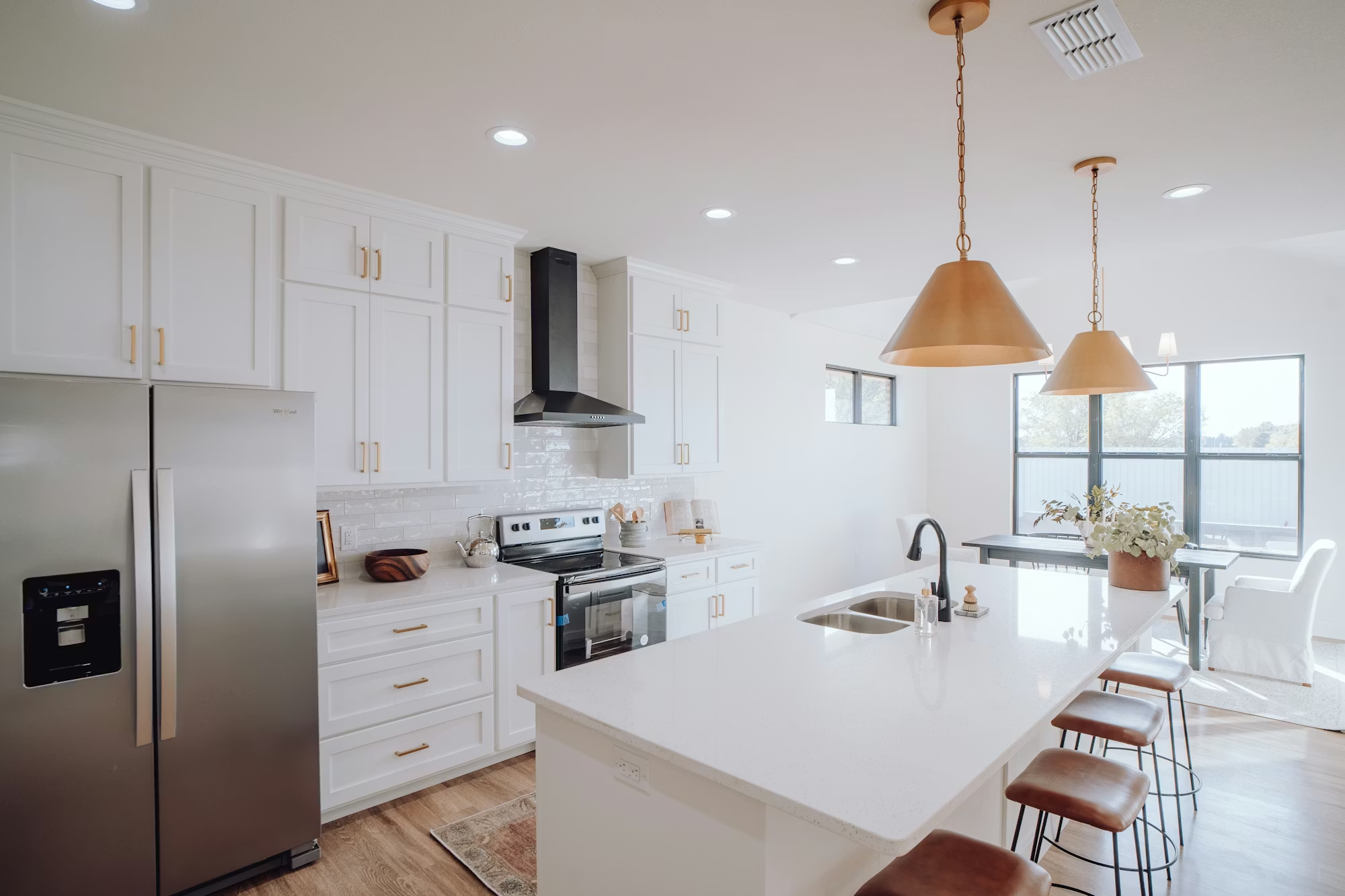
– Energy-Efficient Appliances: Invest in appliances with the Energy Star label. These use less energy and water, saving you money over time.
– LED Lighting: Replace incandescent bulbs with LED lighting, which lasts longer and uses significantly less energy.
– Smart Home Technology: Consider integrating smart thermostats, lighting controls, and energy monitoring systems to optimize energy use.
– Proper Insulation: Ensure your home is well-insulated to prevent heat loss in winter and keep it cool in summer. This can greatly reduce heating and cooling costs.
Water Conservation Practices
Water is a precious resource, and conserving it should be a priority in any eco-friendly home:
– Low-Flow Fixtures: Install low-flow faucets, showerheads, and toilets to reduce water consumption without sacrificing performance.
– Rainwater Harvesting: Consider setting up a rainwater collection system for irrigation or non-potable uses, such as flushing toilets.
– Native Landscaping: Choose plants that are native to your area, as they typically require less water and maintenance than non-native species.
Mindful Consumption and Waste Reduction
Practicing mindful consumption can significantly contribute to sustainability:
– Quality Over Quantity: Invest in high-quality items that will last longer instead of frequently replacing cheaper alternatives.
– Secondhand Shopping: Explore thrift stores, garage sales, and online marketplaces for gently used furniture and decor. This not only reduces waste but can also be budget-friendly.
– Composting: Start a compost bin to recycle organic waste, reducing the amount of garbage sent to landfills while creating nutrient-rich soil for gardening.
Indoor Air Quality and Natural Light
Creating a healthy living environment involves improving indoor air quality and maximizing natural light:
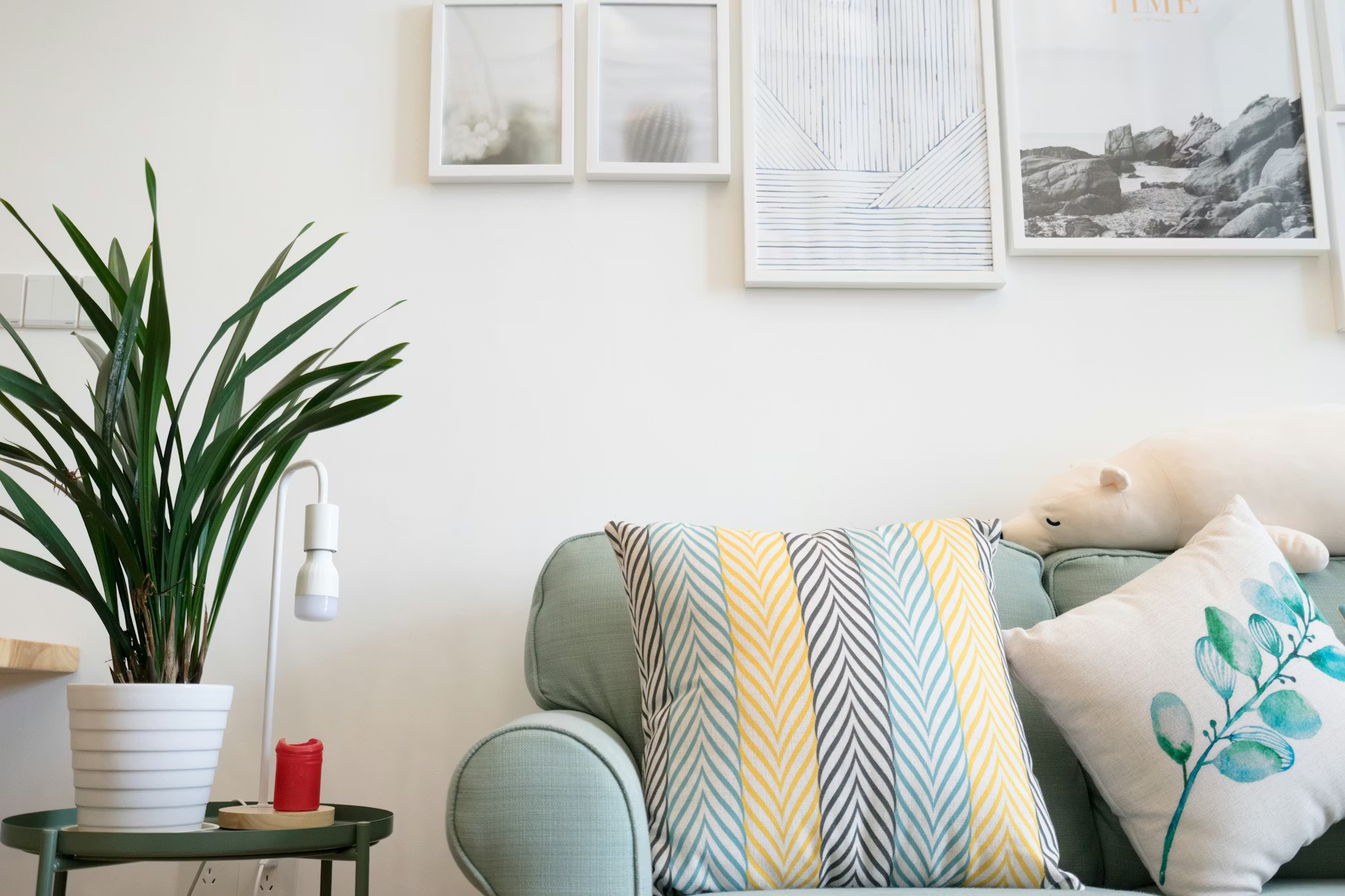
– Air-Purifying Plants: Incorporate indoor plants that purify the air, such as spider plants, peace lilies, and snake plants. These add greenery and help filter toxins.
– Natural Ventilation: Design your home to take advantage of natural ventilation. Use windows and vents to enhance airflow, reducing the need for mechanical cooling.
– Maximize Natural Light: Use large windows, skylights, and open spaces to allow ample natural light into your home. This can reduce the need for artificial lighting and improve mood and well-being.
Creating a Sustainable Lifestyle
Sustainable living extends beyond just the physical home:
– Educate Yourself and Others: Stay informed about sustainability practices and share your knowledge with family and friends. Community initiatives can amplify your impact.
– Participate in Local Sustainability Efforts: Join local sustainability groups, participate in clean-up events, or support community gardens to contribute to broader environmental efforts.
– Mindful Transportation: Consider alternatives to driving, such as walking, biking, or using public transportation, to reduce your carbon footprint.
Conclusion
Creating an eco-friendly home is an achievable goal that benefits both you and the planet. By selecting sustainable materials, enhancing energy efficiency, and practicing mindful consumption, you can transform your living space into a haven of sustainability. As you implement these practices, you will not only reduce your environmental impact but also cultivate a lifestyle that aligns with your values. Embrace the journey toward sustainability, and enjoy the positive changes it brings to your home and life.