Exploring the Diversity of Architectural Styles in Residential Design

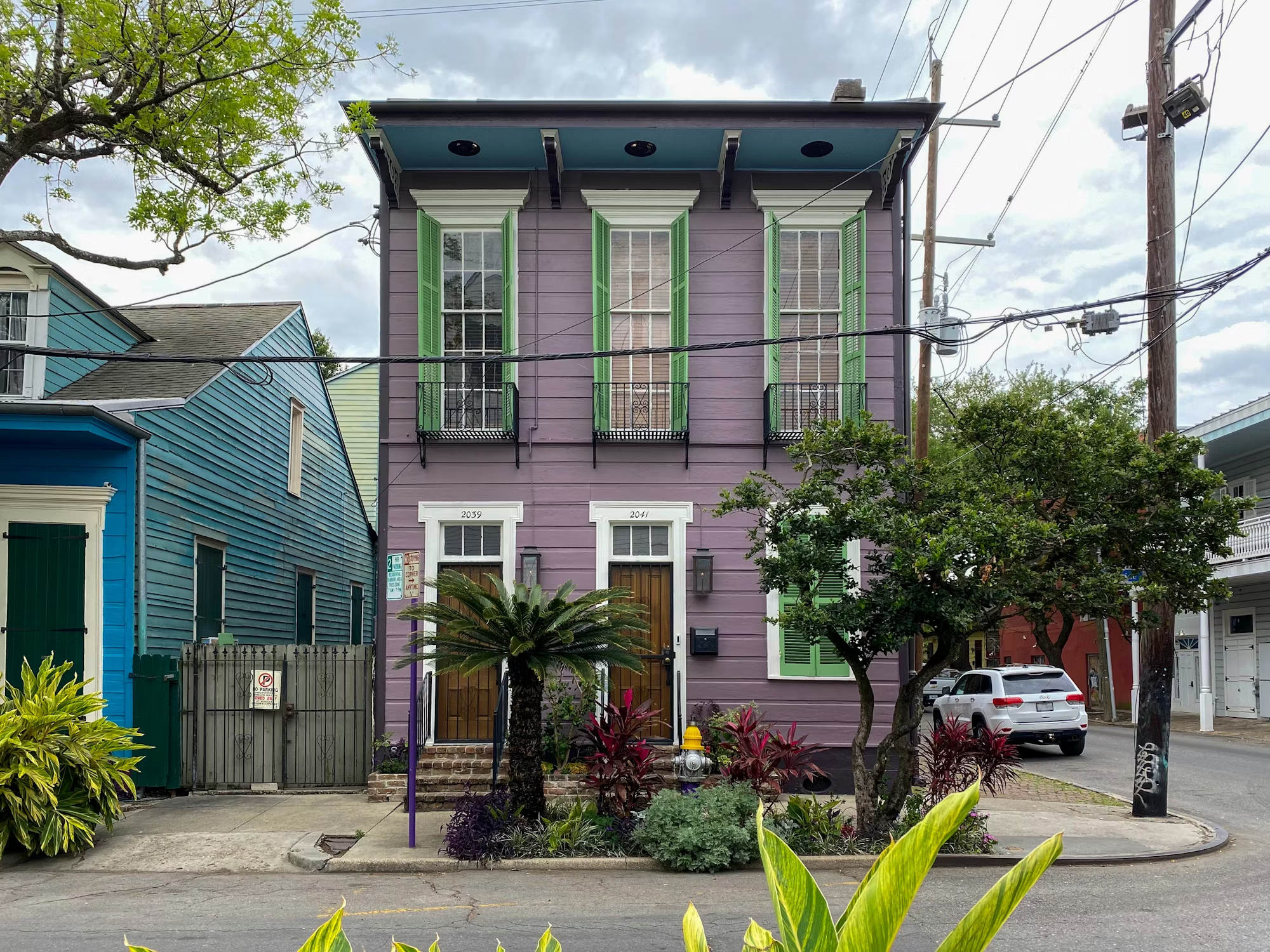
Architecture is a powerful reflection of cultural values, technological advancements, and artistic expression. Each architectural style tells a story, revealing the preferences and priorities of the time in which it was created. In this article, we explore an array of architectural styles—Colonial, Victorian, Cape Cod, Ranch, Craftsman, Tudor, Mediterranean, Contemporary, Cottage, Split-Level, Georgian, and Farmhouse—each showcasing distinct characteristics that resonate with homebuyers today. Colonial architecture is rooted in the early American colonies, celebrated for its symmetry and timeless design. Typically featuring a rectangular shape with a centered front door and evenly spaced windows, Colonial homes evoke a sense of order and balance. These structures are often built with brick or wood, clad in muted tones that enhance their classic appearance. Inside, Colonial homes are known for their functional layouts, comprising well-defined rooms ideal for both family life and entertaining. The enduring charm of Colonial architecture continues to attract buyers who appreciate its historical significance and aesthetic elegance. Victorian architecture, flourishing during the late 19th century, invites us into a world of ornate details and eclectic styles. Victorian homes are characterized by asymmetrical shapes, steeply pitched roofs, and intricate woodwork, all enhanced by vibrant color schemes. These houses often feature bay windows, expansive porches, and decorative trim, showcasing the opulence of the era. The individuality of Victorian homes appeals to many; each structure reflects the unique tastes of its original owners, offering a rich tapestry of architectural creativity. Emerging from the coastal homes of New England, the Cape Cod style embodies simplicity and practicality. Characterized by a symmetrical design, steep roofs with dormer windows, and modest one or one-and-a-half story structures, Cape Cod homes are often clad in weathered wood shingles. The design promotes open, airy spaces that encourage family gatherings and relaxation. The overall appeal of Cape Cod architecture lies in its cozy atmosphere, making it a favorite choice for families and individuals seeking comfort and functionality. Ranch-style homes revolutionized residential architecture in the mid-20th century with their single-story layouts and open designs. Known for long, low-pitched roofs and large windows, Ranch homes foster a seamless connection between indoor and outdoor environments, ideal for those who enjoy entertaining. The open floor plan enhances movement and interaction, making these homes suitable for families, retirees, and anyone valuing a relaxed lifestyle. Craftsman or Bungalow-style homes celebrate artisanal craftsmanship and natural materials. These residences are known for low-pitched roofs, wide porches, and exposed rafters, creating a warm, inviting appearance. Built-in furniture, such as benches and shelves, reflects a focus on functionality and design, while natural materials enhance the connection to the environment. The character of Craftsman homes attracts buyers who appreciate the artistry of design, making them a cherished choice for many. Tudor architecture, inspired by medieval English design, offers a unique aesthetic that stands out among its peers. Characterized by steeply pitched roofs, decorative half-timbering, and intricate brickwork, Tudor homes often feature tall, narrow windows that enhance their distinctive style. The combination of stone and brick creates a warm facade, while interiors frequently boast grand fireplaces and rich wood finishes. Tudor homes appeal to those who appreciate a blend of history and elegance, making them a desirable option for many homebuyers. Mediterranean architecture evokes the sun-drenched landscapes of Southern Europe, characterized by stucco exteriors, red-tile roofs, and arched windows. These homes seamlessly blend with their surroundings, often featuring lush landscaping and inviting outdoor living spaces. The architecture promotes relaxation and socialization, with courtyards and terraces enhancing the charm and connection to nature. The relaxed elegance of Mediterranean design makes it a popular choice for those seeking a stylish yet comfortable living environment. Contemporary architecture represents a shift towards modern design, marked by clean lines and minimalistic aesthetics. These homes often feature open floor plans that prioritize functionality and flow, allowing for flexible use of space. Large windows and innovative materials create bright interiors that connect with the outdoors, fostering a sense of harmony with the environment. Contemporary homes appeal to individuals who appreciate simplicity and innovation, catering to the needs of modern living while reflecting current design trends. Cottage-style homes evoke warmth and nostalgia, often characterized by quaint designs and charming details. Typically featuring sloping roofs, decorative trim, and inviting porches, cottages create an enchanting facade. Inside, these homes prioritize comfort with warm interiors and functional layouts that feel welcoming and homey. The nostalgic appeal of cottage homes resonates with those seeking a peaceful retreat, making them beloved choices for buyers looking for cozy living spaces. Split-level homes offer a unique approach to maximizing space on smaller lots, featuring multiple levels staggered at half-floor heights. This design creates distinct living areas while maintaining a cohesive flow throughout the home. The separation of spaces allows for privacy and versatility, making split-level homes a practical choice for families and individuals alike. The dynamic design encourages creative interior decoration, allowing residents to personalize their living environments. Georgian architecture embodies elegance and refinement, characterized by brick exteriors, elaborate cornices, and multi-pane windows. This style reflects a classic beauty that has endured through the ages, often featuring grand entrances and spacious interiors that showcase a sense of history and sophistication. The timeless charm of Georgian architecture makes it a cherished choice for those who appreciate classic design and architectural integrity. Finally, we explore the farmhouse style, which marries rustic charm with practicality. These homes often feature large porches, gabled roofs, and open layouts designed for functionality in rural living. The use of natural materials and spacious interiors creates a warm, inviting environment that evokes comfort and a connection to nature. Farmhouse homes resonate with those seeking a simpler way of life, and their nostalgic design continues to attract buyers looking for a retreat from the hustle and bustle of modern living. In conclusion, the rich diversity of architectural styles enhances our understanding of residential design and reflects the values and preferences of various eras. Each style, from the classic elegance of Colonial homes to the rustic appeal of Farmhouses, offers unique characteristics and historical significance that cater to a wide range of tastes and lifestyles. As we appreciate these architectural influences, we can better navigate the ever-evolving landscape of home design, finding spaces that resonate with our personal preferences and values. Whether drawn to the grandeur of a Victorian home or the cozy simplicity of a Cottage, there is an architectural style for everyone, providing a sense of belonging and identity in the spaces we call home.